
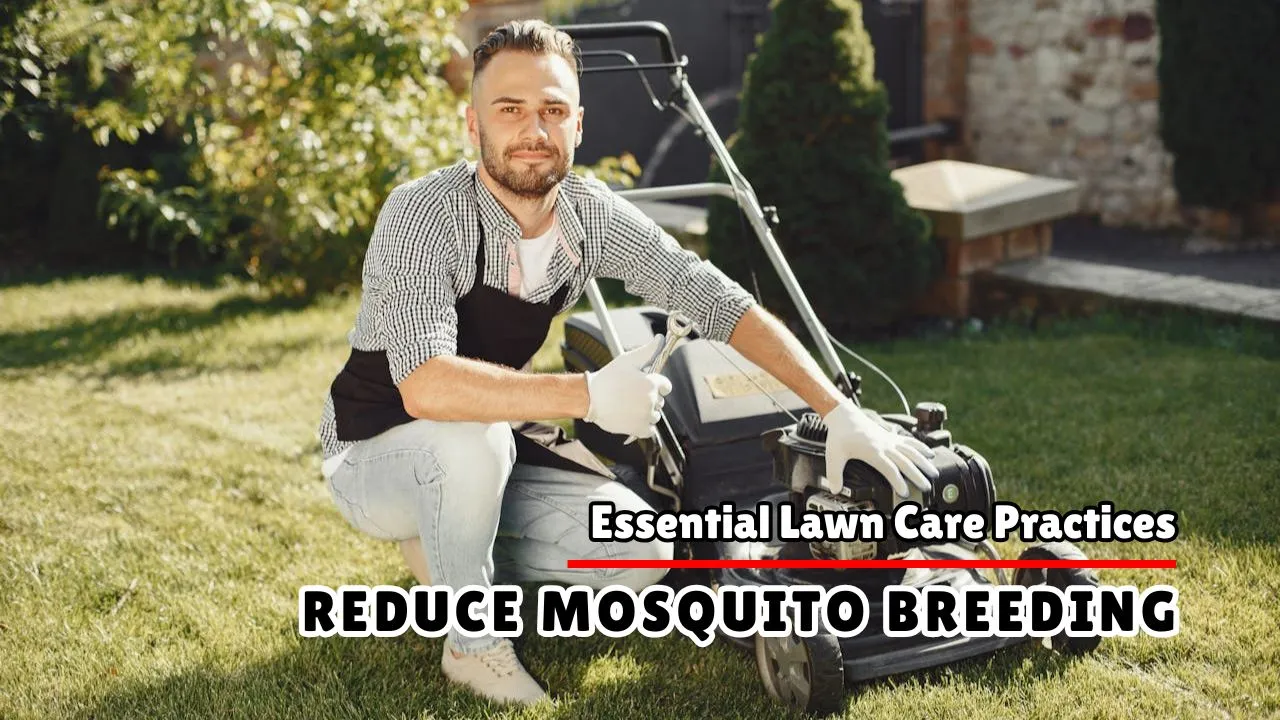
Every lawn is destined to attract and provide safe haven for unwanted mosquitoes unless specific practices are incorporated into the routine lawn care. The best lawn care practices include regular grass mowing, pruning of untidy bushes, collection of litter, and shrubs and controlled soil drainage.
These practices reduce mosquito hiding spots, if not eliminate, the cool, shady and moist environments mosquitoes like to rest and shelter.
Best Lawn Maintenance Tips to Prevent Mosquito Breeding
(Reduce Mosquito Hiding Spots with These Proven Lawn Care Practices)
1. Regularly Mow Your Lawn
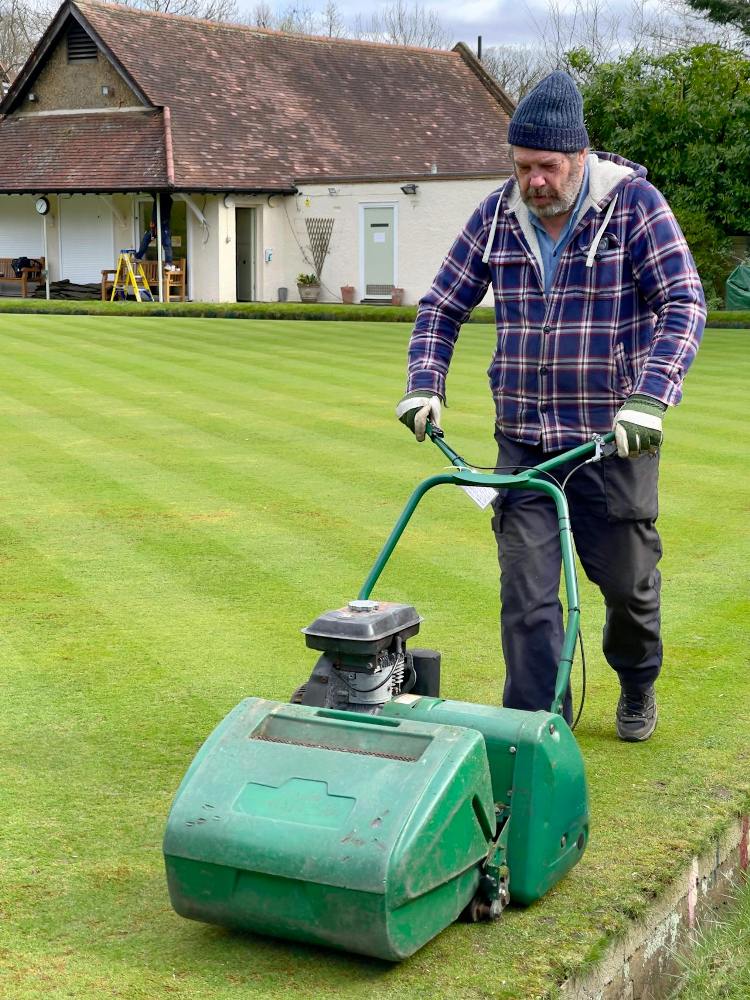
A lawn should be maintained by consistent weekly mowing. Mosquitoes love moist and shady areas, and shorter grass allows less access. Grass height should be 2 to 3 inches. Longer grass offers unruly, uncut, and unclaimed mosquito rest areas. Adult mosquitoes will go to these areas undisturbed until the sunlight becomes too bright.
Regular mowing and clearing litter and grass clippings, allowing more airflow and sunlight to dry out moisture; thus limiting both rest and breeding opportunities.
2. Eliminate Standing Water
The elimination of any stagnant water in which mosquitoes can breed is of utmost importance. This means getting rid of puddles, plant saucers, bird baths, dog bowls, buckets, toys, tarp covers, clogged gutters and even covered wheelbarrows.
Mosquitoes can breed at a remarkable speed, empty these items after every rain and refreshing stagnant water at least every week. Even a bottle cap’s worth may support larvae. Your vigilance will determine whether you will have mosquitoes breeding in your yard, or have mosquito free zone.

3. Aerate Compacted Soil
The retention of surface water which hosts mosquito larvae, is common in compacted or poorly drained soil. Aeration, done at least once a season, will relieve soil compression and promote faster water evaporation. This means rapid loss of puddles after it rains, which means elimination of mosquito breeding sites in your lawn.
4. Dethatch Your Lawn
Thatch is the layer of dead grass, roots, and organic matter beneath visible turf. Dense thatch traps moisture, promotes fungal growth, and creates cool, humid microclimates. Mosquitoes retreat into these spots and hide for protection. Regular dethatching with a thatch rake or dethatcher machine (once per season or at signs of build-up) improves airflow, water infiltration, and dries out these mosquito-friendly zones.
5. Trim Hedges, Shrubs, and Overgrowth
Mosquitoes also enjoy the shade and the absence of winds, and the thick overgrown plants at the boundary of your yard. Keeping the hedges trimmed, pruning shrubs down from walkways, decks, and fence lines, and thinning out dense flower bed foliage. This exposes more leaf area to the sun and wind which drives off moisture and makes the remaining area dry, unfriendly and less habitable to the mosquitoes.

6. Remove Yard Debris Regularly
Dead leaves, grass, mulch piles and garden waste trap moisture and rot, which turns into humid habitats that adult mosquitoes thrive in. Rake and bag yard waste after mowing, sweeping, or autumn leaf drop, and compost piles should be placed away from the living areas. Don’t let debris accumulate, especially near shady garden edges or moist spots.

7. Clean Gutters, Downspouts, and Drains
Hidden, unnoticeable jammed rooftops, clogged gutters, and drain pools can provide ample opportunities for mosquitoes to breed. Clean gutters biweekly (especially after heavy rain or a windstorm). Downspouts should be checked to make sure the water is directed away from the house towards properly graded lawn areas. Unclog drains and check splash blocks for muddy build-ups that may retain water.
8. Fill Low Spots and Re-Grade Poorly Drained Lawns
Identify areas in your garden where puddles accumulate after it rains. Use sand and topsoil to gradually add fill and reseed to allow for turf recovery. In severe cases, the installation of French drains and the re-grading of the land along with drainage swales can assist in the rapid removal of the standing waters.
To improve the grade of the lawn, add more soil to the top to increase the height. These measures can take away all of the standing waters after the storm or irrigation and allow the lawn to stabilize.

9. Maintain Pools, Fountains, and Ponds
The stagnated ponds, unused and uncovered fountains with lack of movement, and pools of water can lead to rapid increase of the mosquitoes in the nearby. Cover pools when not in use. Run pumps or fountains without stopping to circulate water and use BTI dunks to kill the larvae.
The elimination of large populations in pond is made easier by the biological control that is provided when ornamental ponds are stocked with mosquito-eating fish, such as Gambusia.
10. Fix Irrigation Leaks and Be Mindful of Overwatering
Mosquito breeding pockets perfectly camouflaged with environments, that are the result of malfunctioning irrigation systems caused by dripping, leaking hoses and rotor heads, or mis-timed irrigation. All systems that drip water should be repaired promptly and timers that control the systems should be adjusted to remove patches of overwatering to a minimum. Water during the early morning hours so the grass has time to dry.
11. Repair or Remove Water-Holding Items
Ignored flowerpots, tires, play structures, tarps, and buckets that line your yard can catch rain and sit full for days. Store these plastic items upside down, throw away any empty containers, or examine them regularly for rain. Hollows of tree stumps or log piles can even catch rain water—cover or remove if possible, or drill holes for drainage.

12. Rake Under Decks, Porches, and Walkways
Shady areas under decks and walkways with loose boards tend to attract and gather rotting leaves, damp wood, or rubbish—these are excellent resting places for adult mosquitoes. Spend time regularly checking, raking these areas, and sweeping debris to see if water has pooled after rain. Repair loose boards or cover, dry, and seal gaps that retain moisture, and make it inhospitable.
13. Add Mosquito-Repelling Plants
Strategically plant citronella grass, lemongrass, marigolds, basil, catnip, rosemary, peppermint, and lavender throughout your lawn and garden beds. These aromatic plants release natural repellents mosquitoes dislike. Place potted or hanging plants near patios, seating areas, and pathways to maximize protection; crush leaves occasionally for a burst of fragrance.

14. Use Proper Mulching Techniques
While mulched soil retains moisture, a thick layer can accumulate excess water and fill with stagnant water, providing a humid climate to Mosquitoes with a holy grail. So, use a thin layer of mulch— as mosquitoes hate cedar, use cedar mulch preferably—and refrain from piling thick layers against plant stems and garden borders.
Aeration should be done regularly so that fine mulches gets easily dry out and reduce the chances of flourishing any mosquito breeding habitat.
15. Promote Airflow and Sunlight Exposure
Mosquitoes thrive in humidity and warmth, but with exposed to dry climate, sun light and strong gusty wind they tend to die. For this reason, it is key to encourage light and airflow, and prune wind blocking tall grass near heavily shaded lawn areas.
Also, removing and spacing-out sunlight and wind-blocking structures, like heavy fencing, dense shrubs, or large patio screens to obstruct airflow. Sunlight coupled with a slight breeze can quickly dry a lawn, naturally limits mosquito activity.
16. Install and Maintain Mosquito Traps
You can use Mosquito traps with CO₂, UV light and even sugar-water, as silence supplements for your lawn. They will help catch mosquitoes as they approach the area, before they lay eggs or bite. The best spots are areas they are likely hiding in as well as places people use to sit. For comfort, keep your traps close to your seating areas. Always follow the instruction of the manufacturer for replacement or cleaning to keep the traps effective.

17. Monitor Lawn After Rainfall
Just like how heavy storms and/or rain can create sudden new breeding places, it can also create subversion points. Monitor your lawn after every rain to see if there are any puddles, moist patches, or any possible collection points. Your goal should be to do something about any stationary water. Mosquitoes are fast to take advantage of any water, so do your best to get it drained and/or eliminate it.
18. Schedule Professional Lawn Treatments
Despite taking all essential lawn care if mosquito problem persists, hire pest control professionals to apply targeted larvicides, barrier sprays, or misting systems. professional assesses each yard separately and while treating high-risk sections, can decide to implement natural, eco-friendly, or pet safe solutions for deep lawn protection. In sections that are high-risk for mosquito invasions, summertime, and peak summer months, routine treatments are very useful.
Wrapping up
If done properly, the following actions can greatly reduce the mosquito hiding spots and breeding opportunities in your lawn or garden, thus making it an enjoyable outdoor space. The actions are regular trimming and mowing, preventive water management, strategic landscaping, plus enhanced waterproofing repairs. This will transform your lawn and any outdoor space that is safe, free of mosquito bites and very relaxing.
