
The sight of mosquitoes buzzing around is annoying enough, but they may also bite you and possibly infect you with dangerous viruses. Mosquitoes also breed in stagnant water which makes surrounding areas ideal places for them to nest. Mosquitoes gain a lot of foothold in areas with a lot of grass. You can enhance your chances of having a yard free of mosquitoes by learning on to deal with them in your vicinity, interaction with your lawn, and to utilize them for your advantage.
This guide will surely help you get rid of mosquitoes in grass and all other outdoors, with its unbelievable strategies that mainly focuses on tackling and controlling invading mosquitoes in your yard, grass, and lawn. Using a mix of professional and DIY techniques, you can protect your spaces from these relentless pests.
Do Mosquitoes Live in Grass?
The answer is in fact, yes. Mosquitoes prefer to find stagnant water, which makes them spend their lives in humid and shaded areas. Most grass, and tall, dense, and thick grass in particular, makes ideal microclimates with a lot of moisture and shade which mosquitoes prefer.
- Resting Habitat: Adult mosquitoes expend a lot of energy and are in danger of dying from the sun, so they prefer to rest during the day. Mosquitoes usually do this in thick shrubs and dense areas of grass.
- Breeding Sites: The actual breeding sites are near or within reach of these grassy refuges: any puddles, birdbaths, plant saucers, clogged gutters, or even soil that poorly drains, which is any soil that cannot permeably drain excess water. Mosquitoes require still water at reproducing stage of their life cycle.
Therefore, while mosquitoes don’t live nor lay eggs inside grass blades, the grass often shelters adult mosquitoes waiting for dusk when they are most active and search for hosts.
Why Does Grass Attract Mosquitoes?
Several reasons explain why grassy areas are favored by mosquitoes:
- Shade and Moisture: The tall grass results in the generation of cool, humid micro-climates that are favorable for the growth and survival of mosquitoes.
- Protection from Wind: Mosquitoes are weak fliers; dense grass offers wind protection.
- Proximity to Water: Grass is known to grow near the wetter areas of your yard, which contain water pools that act as breeding areas.
- Limited Sun Exposure: Mosquitoes avoid direct sunlight which can dehydrate them quickly.
- Sheltered Resting: Grass blades, leafy branches, and organic debris form hidden resting spots during inactive periods.
Mosquitoes flourish in lawns that are not properly taken care of, as well as in those that are overgrown and poorly drained. Piles of mulch, long grass clippings and leaf litter also serve to trap moisture which in the process, camouflages breeding sites for mosquitoes.
How to Get Rid of Mosquitoes in Grass: Effective Lawn Solutions
1. Regular Lawn Maintenance and Trimming
The foundation of mosquito control is lawn upkeep.
- Mow Regularly: Keep grass short, especially along lawn edges, flower beds, and near shaded areas. Short grass reduces humidity and exposes mosquitoes to predators.
- Remove Debris: Piled and uncleared stagnant leaves, clippings, and organic matter is an excellent mosquito hideout.
- Edge and Trim: Bushes, thick shrubs, and any wild overgrowth are prime resting and nesting sites and must be removed.
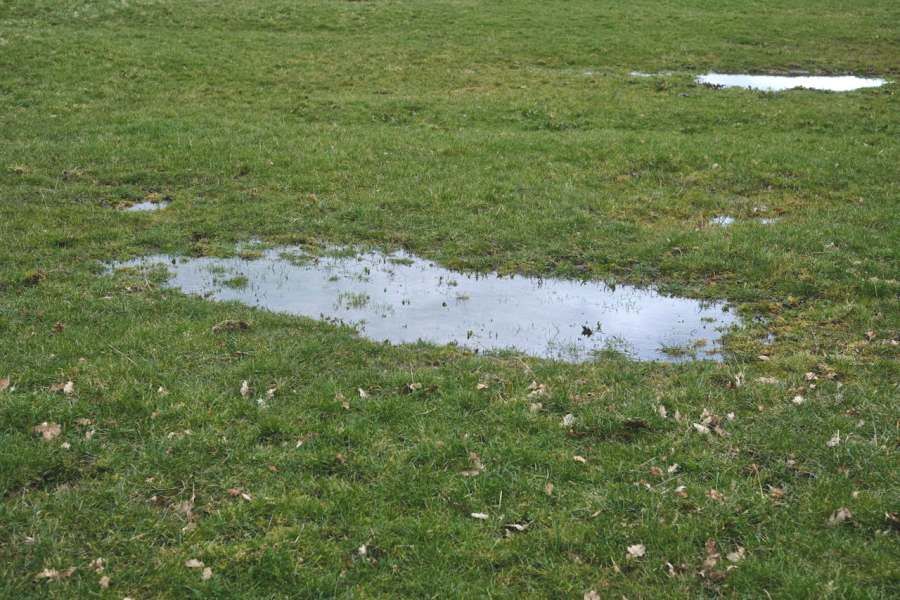
- Fix Drainage Issues: Puddles and prolonged soggy patches must be removed for effective lawn drainage.
2. Eliminate Standing Water Sources
Mosquito population decreases dramatically without a consistent, standing water supply:
- Inspect Your Yard: Gutters, plant pots, saucers, empty old tires, buckets, old tarps, stagnant water in birdbaths and pet water bowls should all be inspected weekly.
- Empty or Refresh Water: Change or drain standing water to disrupt mosquito breeding.
- Use BTI (Mosquito Dunks): A bacterium toxic to mosquito larvae but safe for other life forms like pets and plants. BTI can treat ponds, rain barrels, and birdbaths.
- Fix Leakages: Repair broken sprinklers, hoses, or drainage pipes that cause standing water.
3. Improve Lawn Drainage and Soil Health
Soil with poor draining supports mosquito breeding.
- Aerate Your Lawn: Break up compacted soil to enhance water absorption.
- Add Topsoil or Sand: Level low areas where water pools.
- Install French Drains or Swales: A professional solution to redirect water.
- Mulch Wisely: Use mulch to absorb moisture but avoid excessive layering that traps water.
4. Use Mosquito-Repelling Plants and Landscaping
Incorporating natural repellents into your lawn landscape can deter mosquitoes.
- Plant Citronella, Lavender, Marigolds, Basil, Lemongrass, Rosemary: These are mosquito repelling plants, and emit scents which mosquitoes dislike.
- Create Windbreaks: Hedges or fences can disrupt mosquito flight paths.
- Avoid Dense Overgrowth: Maintain airflow by trimming bushes and spacing plants.
5. Apply Yard Mosquito Sprays and Barrier Treatments
For higher mosquito infestations, targeted chemical or natural sprays are effective.
- Pyrethroid-Based Sprays: Synthetic insecticides offering residual control (e.g., permethrin). Used with caution per label instructions.
- Natural Oil-Based Sprays: Garlic, cedarwood, or peppermint oils provide mild repellency but require frequent reapplication.
- Professional-Grade Barrier Sprays: Applied around perimeters of lawns and shrubs creating a mosquito barrier.
- Mosquito Granules/Pellets: Slow-release insecticides sprinkled in lawns that kill mosquitoes and larvae.
- Safety First: Always follow application guidelines; keep children and pets away during treatment.
6. Install Mosquito Traps and Outdoor Fans
- CO2 or UV Light Traps: Use traps that attract and capture mosquitoes, lowering your yard’s population.
- Electric Bug Zappers: Kill flying insects but may also kill beneficial bugs.
- Outdoor Fans: Mosquitoes struggle to fly in wind; fans disrupt their flight near patios.
- Placement Matters: Traps and fans work best near high-use outdoor areas.
7. Professional Mosquito Control Services
If home methods aren’t enough, professional pest controllers can help.
- Customized Yard Treatment Plans: Target breeding and resting sites exactly.
- Seasonal Maintenance Options: Repeated treatments ensure long-lasting control.
- Eco-Friendly Options Available: Many pros offer organic or low-toxicity solutions.
- Cost vs Convenience: Though pricier, professionals save time and provide expert results.
Additional Tips for Maintaining a Mosquito-Free Lawn
- Use Mosquito-Repellent Lighting: Citronella candles, torches, or LED repellents reduce bite risk in evening outdoor spaces.
- Avoid Overwatering: Lawn should feel moist, but never soggy.
- Remove Pileups: Firewood, trash or unused materials can help capture and hold unwanted moisture.
- Encourage Natural Predators: Birds, bats, dragonflies, and frogs consume mosquitoes.
- Monitor After Rain: Increase in rain can increase the risk of collecting standing water which should be inspected and drained.
Conclusion
Even though mosquitoes do not directly inhabit grass, the areas provide essential daytime shelter for these annoying pests. This makes a poorly-cared lawn a hot target for mosquito presence. Although, maintaining the lawn to eliminate standing water, improving drainage, and using natural repellents and sprays, as well as taking in professional treatments, have the ability to greatly diminish mosquitoes in your yard.
By formulating a multi-tiered mosquito control approach, you would be able to protect your family from mosquito bites and associated blood born diseases, thus enabling them to enjoy outdoor spaces in comfort.
