

DEET – or N,N-diethyl-meta-toluamide – is the most widely used mosquito repellent in the world as it is proven to be exceptionally effective at preventing mosquito bites and minimizing exposure to the mosquito-borne diseases such as malaria, dengue, and Zika virus disease. This explanation attempts to explain every scientific, chemical, biological, and practical angle of how DEET works against mosquitoes from its inception to the most recent molecular studies, the safety of usage, and its global importance.
DEET: Discovery and History
DEET was developed in 1944, and intended for military purposes. With its military origins, civilian usage of DEET was also developed and registered in 1957. Vector control was forever changed with the effectiveness of DEET and its repellent properties with mosquitoes, ticks, flies, and even leeches is unparalleled even to this day. DEET remains the standard for even the newest formulated repellents – such is the versatility and effectiveness of this chemical compound.
DEET: Chemical Properties and Physical Nature
DEET is an oily liquid that ranges from colorless to slightly yellow and is mostly scentless – however to some individuals who may be able to detect certain types of ‘chemical odors’, we refer to them as ‘solvents’, they may be able to smell it, although only slight, upon application. Under chemical exposure, DEET’s formula is C12H17NOC12H17NO.
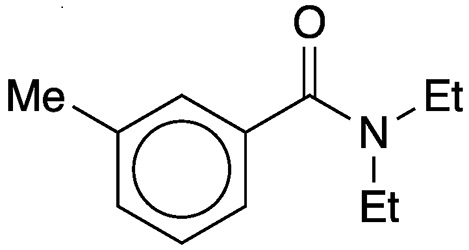
It is also worth noting that DEET is also classified as a lipophilic molecule that can be absorbed easily into the outer layers of the skin and some types of fabric materials.
- Volatility: DEET is most effective because its evaporation is moderate, and considerable in terms of other host odorants – for example, lactic acid. This is how DEET is able to surround the treated skin, forming a vapor phase.
- Formulations: DEET concentration in sprays, wipes, lotions, and creams range from less than 10% to nearly 100%.
Mechanism of Action Against Mosquitoes
Blunting Mosquito Host-Seeking: Olfactory Disruption
Mosquitoes rely on their sense of smell to detect humans by detecting or targeting the lactic acid, carbon dioxide and even 1-octen-3-ol that can be found in breath and sweat. DEET has been shown to primarily work by disrupting these attractant cues.
- Odorant Receptor Inhibition: Mosquitoes odorant receptors (ORs) on the antennae are “jammed” or they gets confused due to DEET molecular bindings.
- Signal Masking: DEET masks host odors, making it difficult for mosquitoes to locate humans by reducing the volatility of key attractants.
- Smell and Avoid Hypothesis: Mosquitoes directly avoid areas due to the presence of DEET which is a repellent like odor “smell” as shown by electrophysiological studies, which shows the strongest activation of DEET-sensitive neurons.
Key Host Attractants Blocked by DEET
- Lactic Acid: Which is a strong attractant for many mosquito species is blocked by DEET, so they are unable to land or feed.
- 1-Octen-3-ol: Which is found in breath/sweat is, for instance, DEET, which lowers the neurons that is sensitive or jams recognition.
- CO₂: Which mosquitoes respond to is indirectly suppressed by DEET, which lessens a mosquito’s response to synergistic attraction cues.
Odorant Receptor Specificity
Recent molecular research (using Culex and Anopheles mosquitoes) has pinpointed a receptor called CquiOR136 and proteins like OBP1 (odorant-binding protein 1) as direct binding targets for DEET, confirming that mosquitoes have specialized neural machinery to detect and avoid the molecule.
Contact Repellency: Taste and Touch Aversion
The behavior of mosquitoes: DEET is able to repel is not limited to the vapor DEET also has repellent effect on contact. On contact DEET is able to activate taste (gustatory), and contact-sensing chemosensory neurons in mosquitoes.
- Bitter Taste Response: DEET is described as an anti-feedant. Mosquitoes that attempt to alight on DEET treated skin land on it and withdraw due to an extreme bitter taste and do not bite.
- Proboscis and Leg Rejection: They have DEET medial and proboscis sensory neurons on the feet and mouthparts. They disengage from DEET and cease biting even in the absence of functional smell circuits.
Scientific Theories: Dissecting the Mechanism
The Three Dominant Hypotheses
Active research is still ongoing on the exact mechanistic basis for DEET’s repellency which does arises three accepted theories.
- Inhibition (Masking) Hypothesis: DEET blocks mosquitoes’ ability to detect attractive human odorants by damping their olfactory receptor responses.
- Confusant (Jamming) Hypothesis: Mosquitoes’ ability to detect and process human odor is suppressed, making humans “invisible” or unrecognizable.
- Smell-and-Avoid Hypothesis: Mosquitoes consider DEET to be a repellent chemical, and naturally, they try to avoid it.
Modern Evidence
Electrophysiological recordings have indicated that DEET-sensitive receptors are firing neurons very vigorously even in the presence of other attractants, hence, supporting repellency and the masking action of DEET. Furthermore, genome editing, when relevant receptor genes are deleted (e.g., Orco mutants in Aedes mosquitoes), allows DEET to be repelled via taste/contact, confirming DEET’s unmasked multifunctional sensing at different levels.
Why Is DEET So Effective?
(a) Repellent Action Against Multiple Species Range
The repellent action against mosquitos and other biting insects is still unmatched by any other repellent. All Aedes, Anopheles, Culex mosquitos, mules, ticks, fleas, and even leeches are repelled with DEET. No other repellent, whether synthetic or natural, comes close to the efficiency and effectiveness of DEET.
(b) Longer Duration of Protection
- Concentration Matters: The number of hours DEET protects is proportional to concentration, though benefits taper off above 50%.
- Typical Durations:
- Lower concentrations are safer for children and infants and are recommended in official guidelines.
(c) Application Versatility
DEET cannot be applied on synthetic fabrics and plastic, the rest are safe. The versatile use in the field, travel, and home is a great advantage since most skin types and cloth can be used.
Safety, Toxicology, and Regulatory Policies
(i) Human Safety
When used according to guidelines, DEET is considered to be highly safe:
- Dermal Absorption: Moderate—The majority is slowly absorbed through the skin and excreted by the renal system.
- Toxic Reactions: Rare especially in the case of proper dosing, however may be slightly more common with repeated and constant dosing. Documented cases of neurotoxicity and skin reactions exist, but are extremely uncommon.
- Infant/Child Use: Pediatric dose of DEET is recommended at 10% concentration for children over 2 months; higher strengths are avoided in pediatric care.
- Pregnancy: Use is alright, but should consult a physician in case malaria/dengue areas are part of the travel.
(ii) Environmental Impact
DEET is biodegradable and will not persist in the water and soil, however, it may pose a risk to the animal life in water if discharged in large volumes.
(iii) Regulatory Recommendations
- CDC and WHO: DEET is recommended as the first-line defense against mosquito-borne diseases; concentrations of 30%-50% are optimal for adult travel.
- Health Canada/UK NHS: Maximum permitted concentration is 30%, while for travel to malaria-endemic areas it is 50%.
Comparative Efficacy: DEET Versus Other Repellents
(i) Synthetic Alternatives
- Picaridin: Comparable performance to DEET but slightly shorter protection at matched concentrations; less odor, non-greasy.
- IR3535: Used in Europe; still not as effective and broad as DEET, but still sufficient for casual use.
(ii) Natural Repellents
- There are a number of essential oils that can be used in a spray that could refer to as a bug spray, however, these oils tend to evaporate quickly and lose their effectiveness. Some of these oils include catnip, lemon eucalyptus, and citronella.
- With that being said, all of these products weak in comparison to DEET and high bug areas require DEET in order to be effective. The only oil that comes close to DEET is oil of lemon eucalyptus, and that is only a synthetic version, PMD.
DEET Research Frontiers: Molecular Biology & Neuroscience
(i) Odorant and Gustatory Receptors
There has been a lot of research done lately that point toward odor and taste receptors in Mosquitoes. There are a few peculiarities.
- Odorant Receptors (ORs): In Mosquitoes, these are situated on the Antennae and Maxillary Palps. A few examples are CquiOR136 in Culex, and AgamOBP1 in Anopheles.
- Ionotropic Receptors (IR40a): Found in Drosophila; evidence of conservation in mosquitoes.
- Gustatory Receptors: these are located on the legs and mouth. They taste the DEET and other compounds and register as bitter and ‘contact taste aversion’ invoked
(ii) Behavioral Studies
- Orco Mutant Analysis: Mosquitoes lacking the Orco co-receptor can still feel the DEET on their skin, suggesting there are other means of repulsion by taste and contact.
- Bioassays: Mosquitos are able to avoid blood and sugar solutions containing DEET, even with small quantities, suggesting they also have olfactory as well as taste repulsion.
(iii) Chemical Interactions
- Using DEET in the correct way can create a chemical shield, in which the mosquito’s skin-odorant-signal mechanisms are disrupted, hindering their navigation.
- DEET has an even greater effect by internal mosquito actions. They alter proteins relating to synapses and energy production, and are greatly baffled from locating and feeding on human blood.
Limitations of DEET as Mosquito Repellent
(i) Sensitivity and Allergic Reactions
People might have minor skin concerns with DEET. This situation can be alleviated by applying lower levels of DEET concentration or avoiding application to broken skin.
(ii) Fabric Considerations
DEET is known to cause damage on fabrics containing synthetic fibers, plastics, rubber and painted materials. It is advisable to not treat sensitive clothing and gear directly with sprays.
(iii) Resistance
Although complete lack of proven resistance to DEET by complex mosquito populations represents a statement of following mechanism durability and multi-modal action, continuous resistance monitoring is still a key priority and needs to be done.
Practical Use Recommendations
- Apply sparingly on exposed skin, not under clothing, and avoid eyes, mouth, and open wounds.
- Do not use on infants less than two months old; for young children, apply minimally and avoid hands/fingers.
- May be used together with sunscreen, but apply DEET afterwards for maximal effect (check manufacturer guidance for combinations).
- Wash skin after returning indoors; treat clothing separately if needed.
The Global Public Health Impact of DEET
DEET’s introduction and continued use have had a transformative effect in reducing mosquito-borne illnesses:
- Malaria: Empowered travelers and field workers in endemic areas to safely prevent bites.
- Dengue, West Nile Virus, Zika: Gives year-round protection against Dengue, West Nile Virus, and Zika for at-risk populations in certain geographical focus areas.
- Tropical and temperate climates: DEET in most cases is the most preferred form of repellent from suburban parks to rain forests in tropics and temperate zones.
DEET works to protect both the population and individuals against diseases that can be carried by vectors, and comes in handy in public health emergencies.
The Future of DEET: Innovation and Research Directions
Continued research aims to clarify the full molecular pathway of DEET action, with goals to:
- Design next-generation repellents that are equally effective, less volatile, and have improved cosmetic properties.
- Formulations that have greater persistence and broader spectrum with less biodegradation to the environment.
- Explore molecular targets for mosquito genetic engineering to further limit disease transmission.
- Investigate combined chemical/physical deterrents inspired by DEET’s multimodal action.
Conclusion
DEET remains the most powerful, reliable, and well-understood mosquito repellent in use. What makes DEET extraordinary is the dual functions blocking mosquito olfactory perception and the strong taste and contact aversion. No one can dispute its importance in global public health, however, its complex and multi-target molecular mechanisms are under constant research. DEET has certainly been established as the gold standard, which all contenders must exceed or at the very least, match.
